TV Networks Need to Take a Formatting Lesson from Their Own Advertisers
There is a massive, hilarious irony currently playing out on broadcast television, and it perfectly encapsulates the broken mindset of network executives.
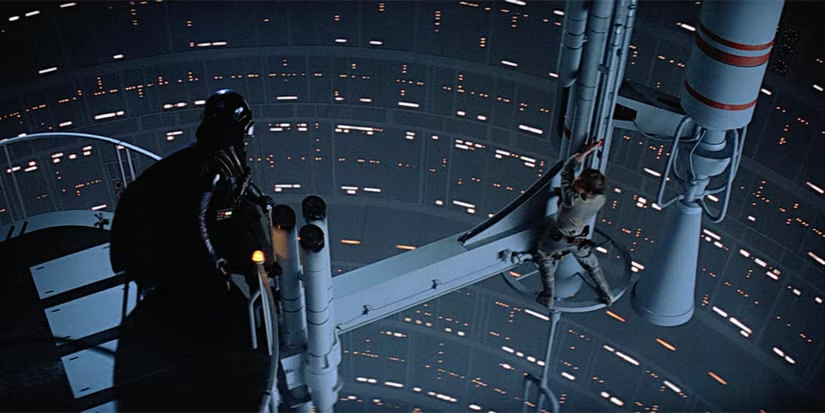
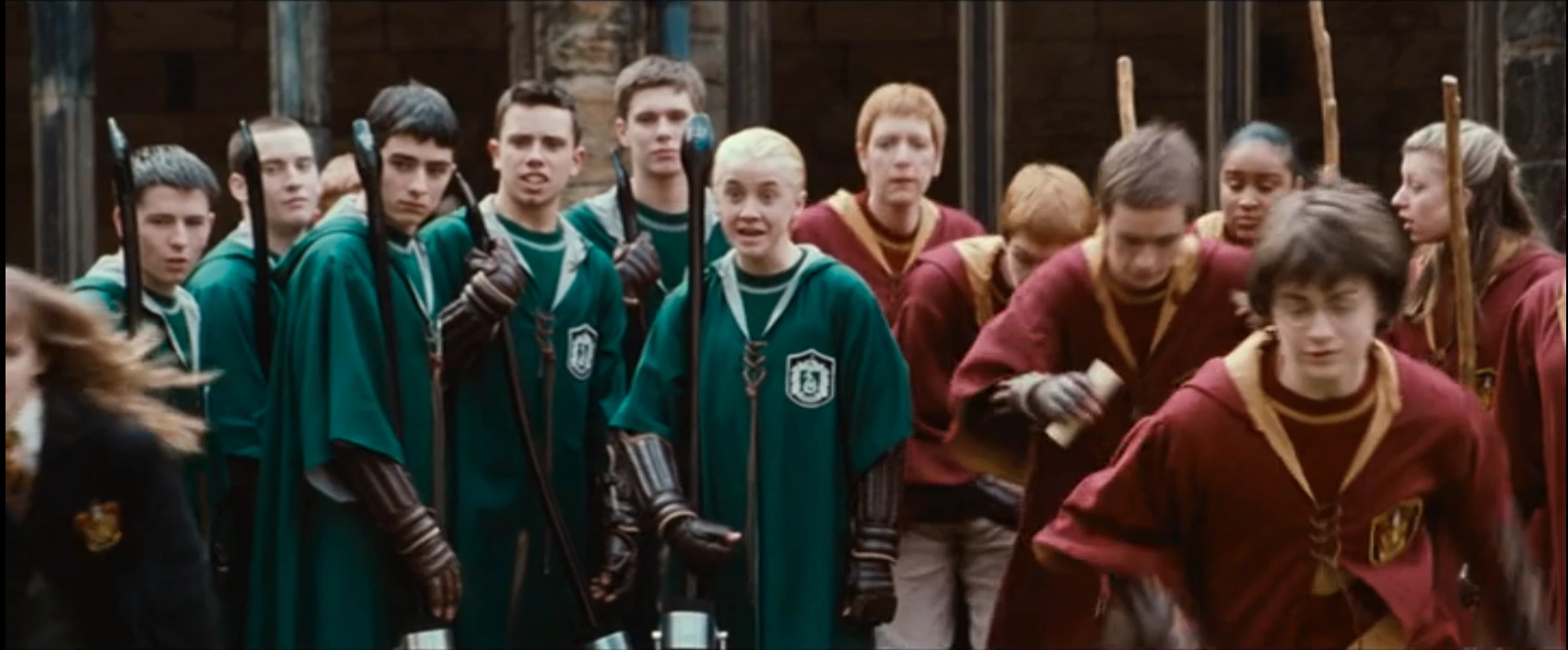
While tuning into E! Entertainment, I caught a broadcast of Harry Potter and the Deathly Hallows: Part 2. The film, originally shot in an ultra-wide 2.39:1 aspect ratio, was subjected to the standard network butchery: aggressively cropped and pan-and-scanned to fill a standard 16:9 television screen. A staggering 25% of the original cinematic framing was simply thrown away.
The assumption here is as old as the 1990s: networks believe modern audiences despise "black bars" and will change the channel if the screen isn't completely filled. But what happens when the movie cuts to a commercial break?
During a single break on that exact same network, ads for T-Mobile, Dior, and Dunkin' aired. But they didn't fill the screen. Instead, they were deliberately presented in 2.39:1 widescreen, complete with heavy letterboxing.
Why? Because the advertising industry understands visual psychology. They know that decades of movie-watching have trained our brains to associate letterboxed widescreen framing with prestige, high budgets, and high art. Advertisers are willfully sacrificing screen real estate to make a 30-second spot for iced coffee and cell phone data look like a premium Martin Scorsese film.
This is the ultimate broadcasting double standard. A billion-dollar, critically acclaimed film franchise is chopped up and stripped of its artistic integrity to appease an outdated fear of letterboxing. Meanwhile, the commercials interrupting it are granted the full dignity of theatrical framing to make their products seem luxurious.
It is concrete proof that the industry knows the wider aspect ratio holds immense visual weight. It's past time they start affording that same respect to the actual movies.

~ See what you've been missing! See it in Widescreen! ~