Why are there black bars on my Widescreen TV?
When you sit down in front of a modern, flat-panel 4K television, it feels massive. It's wide, it's sleek, and it looks like a movie screen. Because of this, a modern myth was born: "I bought a widescreen TV, so movies should fill the whole screen without any black bars."
Unfortunately, that is a misconception. To understand why, you have to remember our core motto:
Your flat-screen TV is shaped to a ratio of 1.78:1 (16x9), which is the standard format for broadcast television, sitcoms, and sports. However, the majority of theatrical Action, Adventure, Fantasy, and Sci-Fi films are shot in a much wider ratio of 2.39:1 (21x9). The aspect ratio a film is originally shot in is called its OAR (Original Aspect Ratio).
The Cost of Filling the Screen
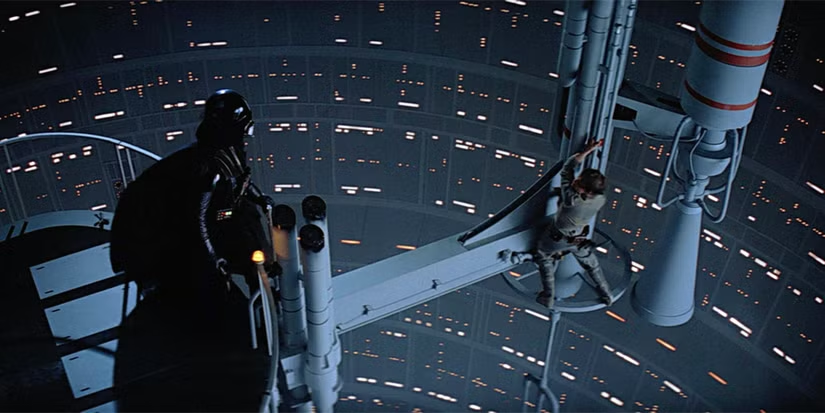
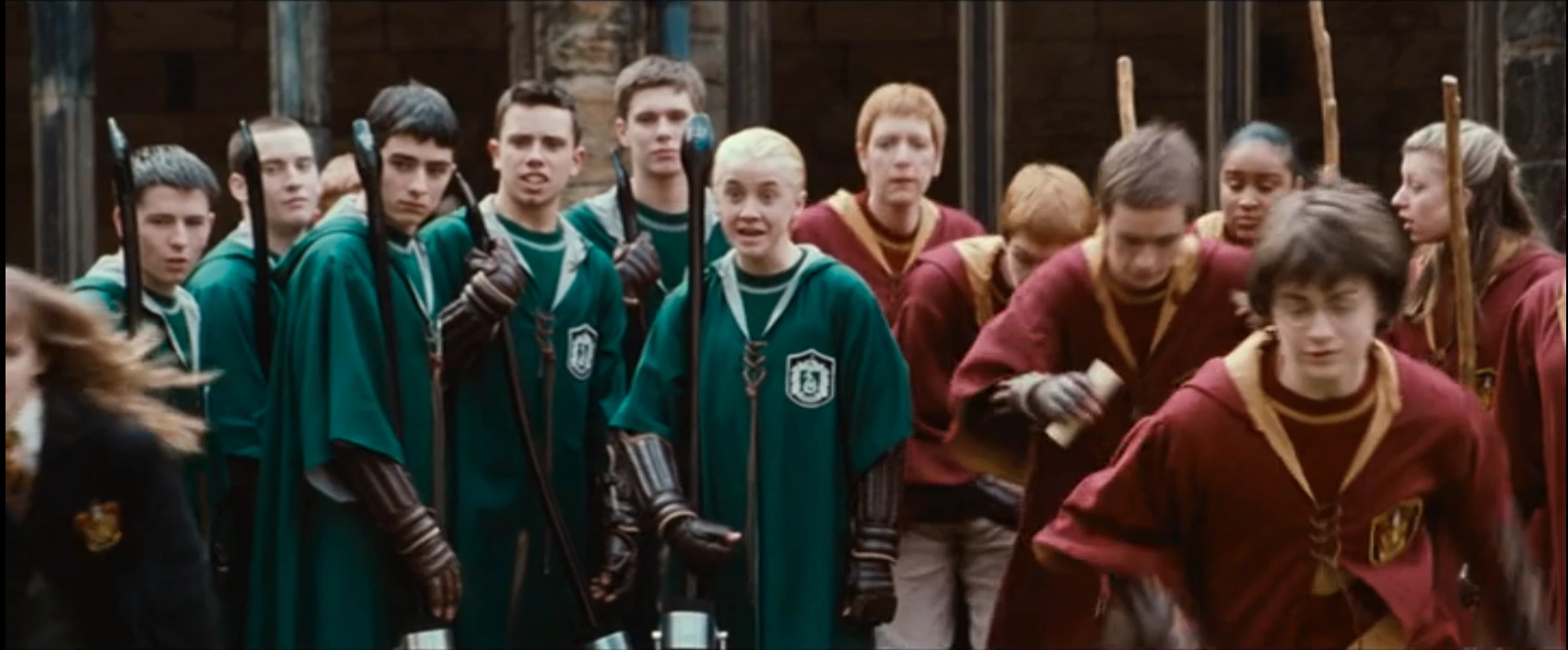
Movies are composed with specific framing in mind. When a 21:9 film is "formatted to fit" a 16:9 frame, the image is digitally zoomed in and the sides are chopped off. Because this new view is so narrow, the picture must often be artificially "panned" back and forth just to keep the actors on screen. Just like the old Pan & Scan days, this creates uncomfortable close-ups and discards nearly 25% of the original theatrical image—you aren't seeing more of the movie; you are losing the director's visual composition. The black bars are not a waste of space—they are essential to maintaining the theatrical framing intended by the director.
Try the interactive visualizer below to see exactly what gets lost:
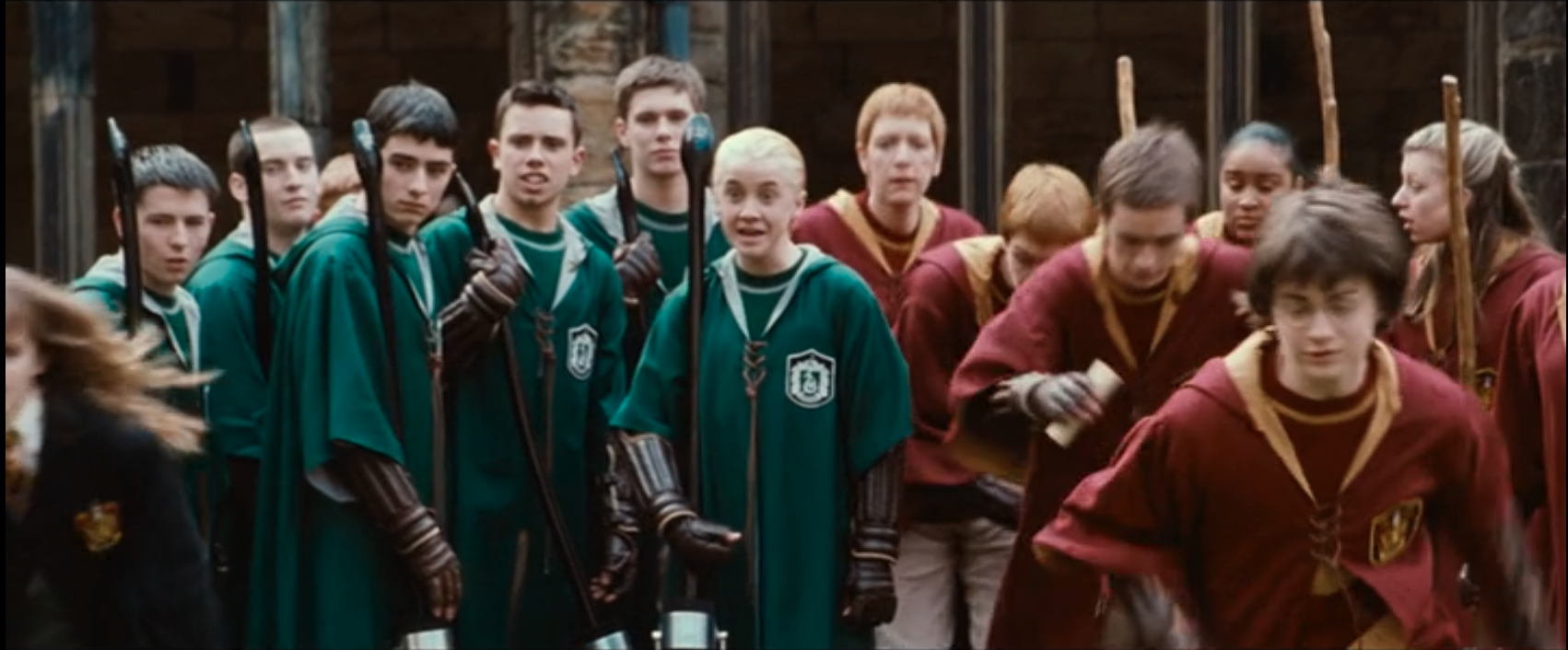
Currently viewing: Full Theatrical Frame (2.39:1). Note the black bars preserving the edges.
What is Widescreen? (Archival Primer)
This section served as the primary introduction for thousands of users discovering the concept of Original Aspect Ratio (OAR). If you were already familiar with the concepts of widescreen and pan & scan, you likely moved directly to our Advanced Widescreen/OAR Primer.
For historical context on the widescreen basics, the following was the original 2002 primer:
Have you ever wondered while watching a film on TV, VHS, or DVD why it began with this disclaimer?
"This film has been modified from its original version. It has been formatted to fit your screen."
During the era of square (4:3) televisions, that disclaimer essentially meant:
"This film has been reduced in size, and up to 43% of what was shown in the theater has been cut out, just so that the image will fill up your square television screen."
This process of "reformatting" a film was known as "Pan & Scan" or "Full Screen." The terms "Widescreen" or "Letterbox" simply referred to the original, unaltered film as it was shown in the theater.
The following examples illustrate the difference as seen on a traditional television screen. Each comparison used screenshots taken from the same frame of both formats. It is clear how much of the original picture was lost due to the "Pan & Scan" process:


Although the Pan & Scan format appeared larger on small sets, it came at a great cost. In these examples, 43% of the image was discarded. In The Mummy, the result was a missing character and a cramped frame. In The Fifth Element, a breathtaking stage was reduced in scale, and the dynamic feeling of the scene was lost. This was not what the directors intended.
Widescreen Advocate believed that this type of alteration was unacceptable. We campaigned to see all films shot in a widescreen format preserved in their original aspect ratio for their release on DVD and future formats.
So, was that all there was to know?
Actually, no. The explanation above was meant to quickly illustrate the "why" behind the movement. For those interested in the technical specifics, the Advanced Widescreen/OAR Primer provided a deeper dive into anamorphic enhancements and matting techniques.
Historically, we also recommended these foundational educational sites:
- The Letterbox and Widescreen Advocacy Page
- Widescreen-)-Rama @ The Digital Bits
- Intro to Widescreen @ Hong Kong Fanatic
Archival Comparison Resources:
Once users learned the truth about widescreen video, they helped spread the word that Wider is Better.

~ See what you've been missing! See it in Widescreen! ~